
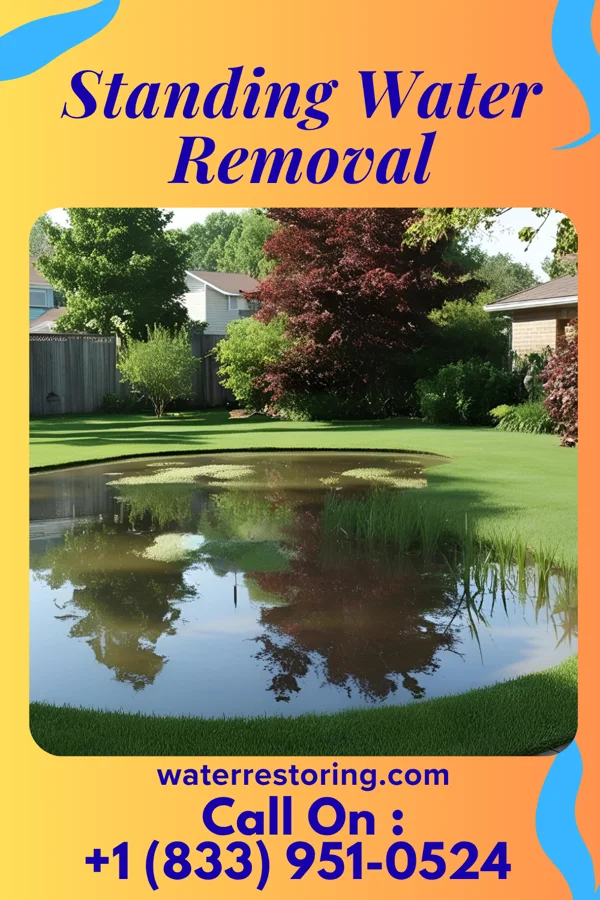
Cranfills Gap Standing Water Drivers
Water damage in Cranfills Gap tends to cluster in predictable windows because of the local climate. In Cranfills Gap, Texas, water damage is often caused by heavy rainfall and flash flooding due to the area's flat terrain and proximity to the Brazos River. Additionally, aging infrastructure and drainage issues contribute to localized water accumulation, particularly during the spring and summer months. A close second is Secondary causes include leaking roofs, broken plumbing, and sewer backups, which are common in rural areas with older homes. Poorly maintained septic systems can also lead to water infiltration, especially in homes built on permeable soil..
Cranfills Gap experiences a humid subtropical climate with frequent thunderstorms and heavy rainfall, increasing the risk of water damage. The area is also prone to prolonged periods of high humidity, which can accelerate mold growth if water is not properly addressed.
Cranfills Gap experiences a humid subtropical climate with frequent thunderstorms and heavy rainfall, increasing the risk of water damage. The area is also prone to prolonged periods of high humidity, which can accelerate mold growth if water is not properly addressed. The dominant local driver is In Cranfills Gap, Texas, water damage is often caused by heavy rainfall and flash flooding due to the area's flat terrain and proximity to the Brazos River. Additionally, aging infrastructure and drainage issues contribute to localized water accumulation, particularly during the spring and summer months., with Secondary causes include leaking roofs, broken plumbing, and sewer backups, which are common in rural areas with older homes. Poorly maintained septic systems can also lead to water infiltration, especially in homes built on permeable soil. showing up as the next most common cause. Damage builds in stages. Spread. Absorption. Microbial growth. Structural compromise. Every stage you pass through adds to the final bill.